

How This No-logs and RAM-only VPN Protects Your Online Privacy
With the growing number of cyber attacks, you now look for a solution that can help you keep your personal information secure. Surfshark has become one of the most used…
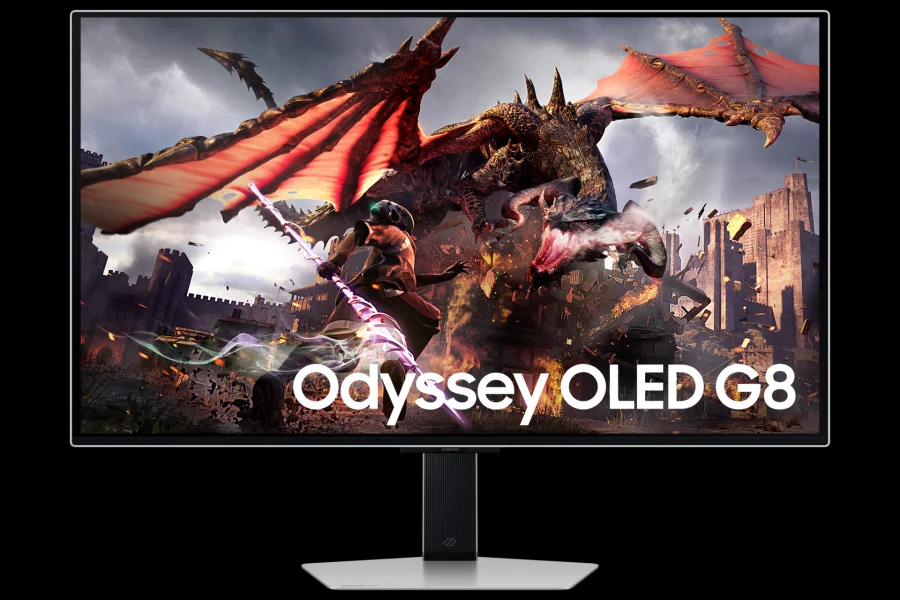
Samsung Odyssey OLED G8/G80SD S32DG80 Review: 4K 240Hz 0.03ms; Ultra-Sharp Masterpiece for Gamers
Our Rating: 4.7★★★★★ The Samsung Odyssey G8/G80SD S32DG80 is a 32-inch 4K QD-OLED gaming monitor that combines cutting-edge display technology with smart features. Aimed at gamers and content creators who…
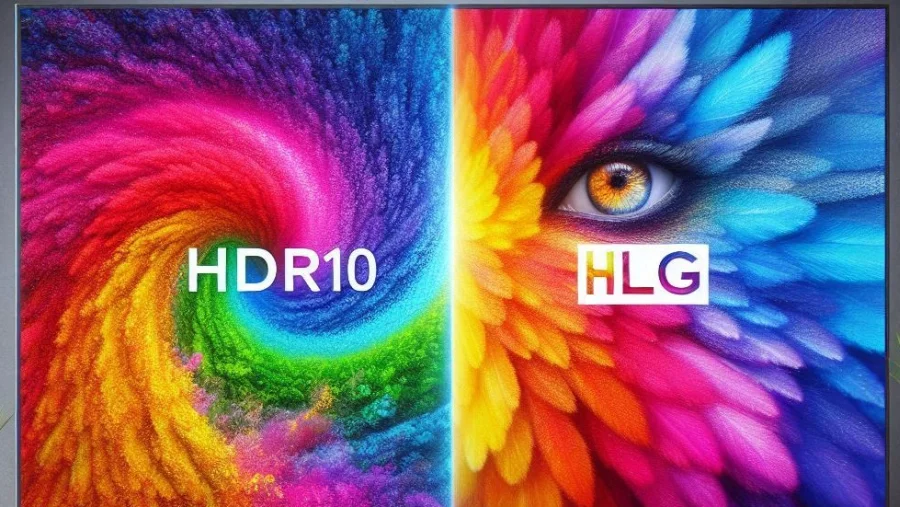
HDR10 vs HLG: Comparing HDR Technologies
High Dynamic Range (HDR) has emerged as a transformative force, significantly enhancing the viewing experience by delivering greater contrast, more vivid colors, and increased brightness. HDR is particularly important in…

PHOLED vs OLED: Understanding the Differences and Advantages
Display technology has come a long way since the early days of cathode ray tubes. In recent years, OLED (Organic Light-Emitting Diode) has emerged as a game-changer in the world…
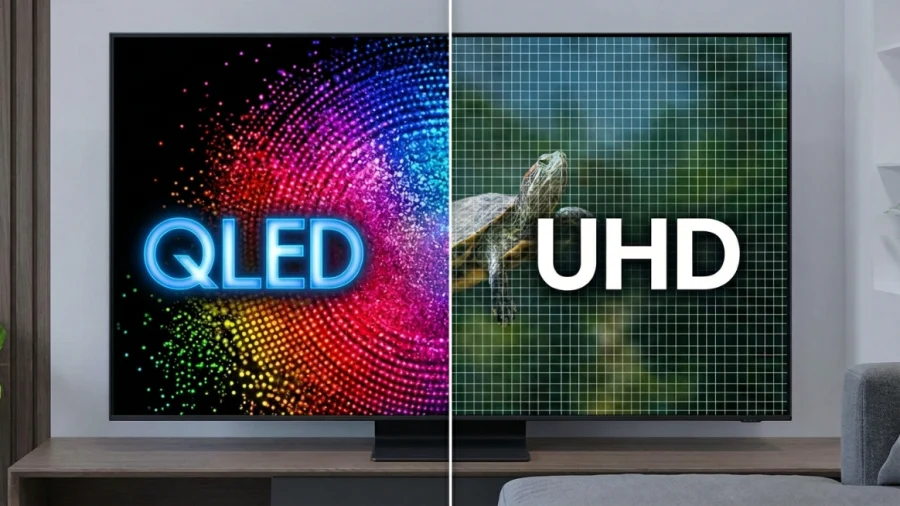
QLED vs UHD: What’s the Difference and Which One Actually Matters?
Walk into any electronics store and you’ll be hit with a wall of acronyms. QLED. UHD. OLED. NEO QLED. 4K. HDR. It can feel like TV manufacturers are deliberately trying…
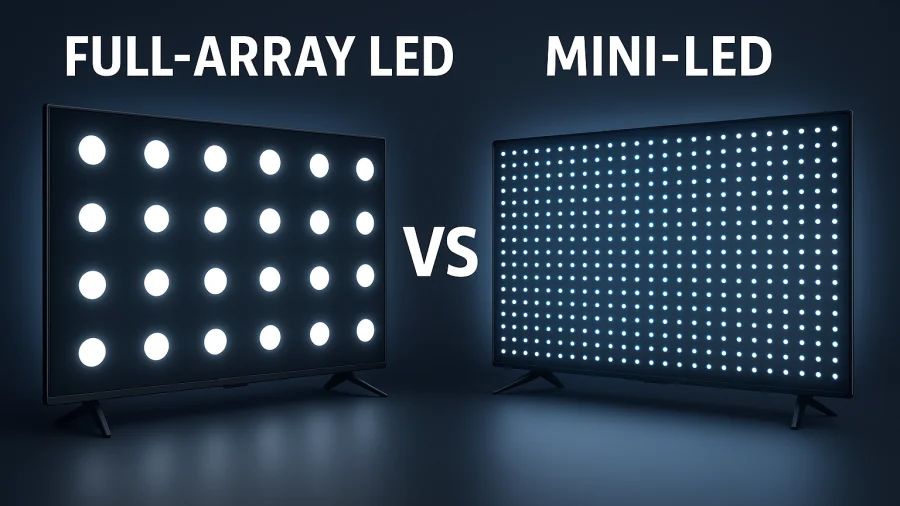
Full Array LED vs Mini-LED: Decoding the TV Backlighting
The quality of your TV’s picture hinges significantly on its backlighting system. Backlighting is crucial for LCD (Liquid Crystal Display) TVs, dictating elements like contrast, brightness, and how deep the…

144Hz vs 240Hz: Which Refresh Rate Actually Matters?
If you have shopped for a gaming monitor in the last few years, you have probably run into a wall of numbers: 60Hz, 144Hz, 165Hz, 240Hz, even 360Hz. Two of…
OLED Pixel Refresh Explained: What It Is and Why Your TV Needs It
If you own an OLED television, you may have noticed a message pop up on screen mentioning a “pixel refresh” or “panel refresh,” sometimes followed by a period where the…
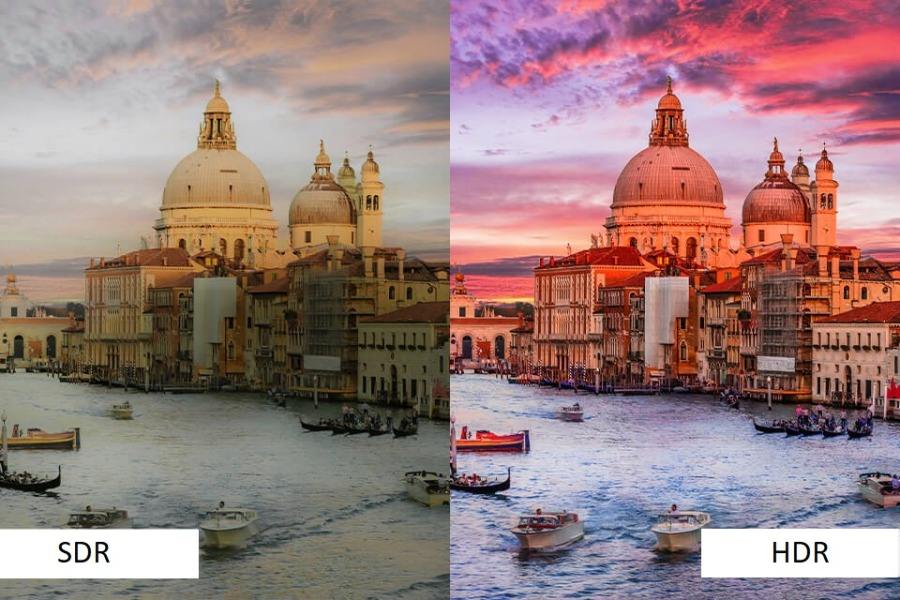
HDR vs SDR: What You Need to Know
If you’re looking for a new TV or monitor, you might have come across the term HDR, which stands for High Dynamic Range. But what does it mean, and how…
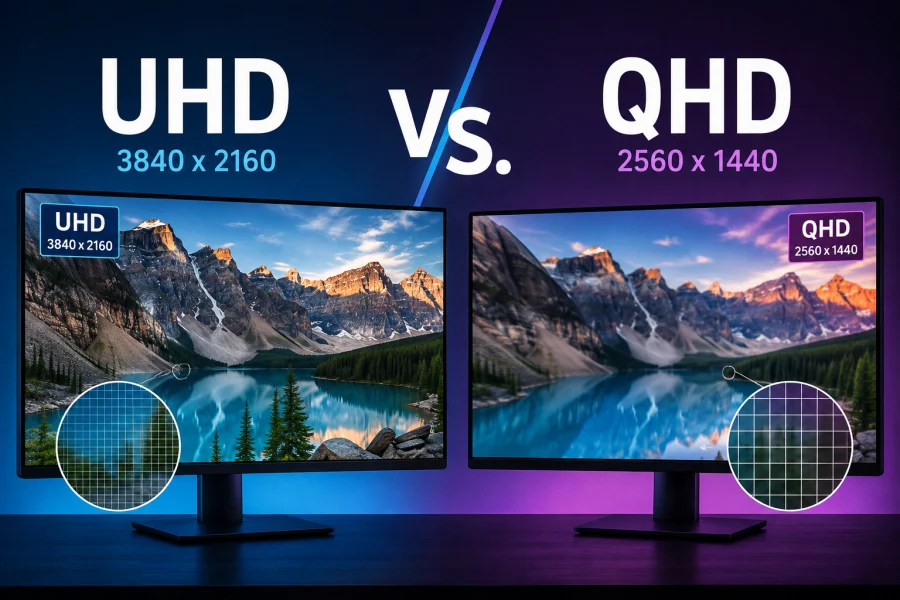
UHD vs. QHD: Which Resolution Is Right for You?
Display technology has advanced rapidly over the past decade, and one of the most common points of confusion for shoppers is resolution. Walk into any electronics store or browse online…
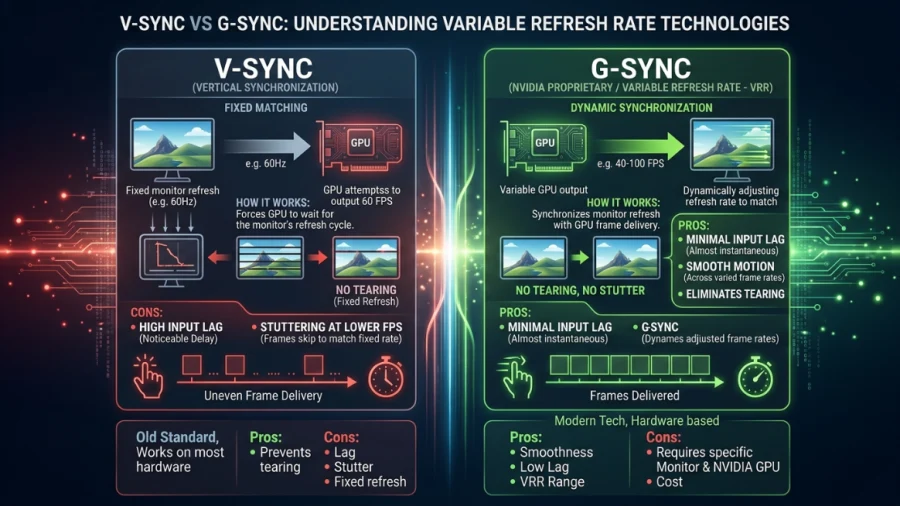
V-Sync vs G-Sync: Which Should You Use?
If you have ever noticed a horizontal tear cutting across your screen mid-game, you have experienced one of the most frustrating visual artifacts in PC gaming. That glitchy split image…
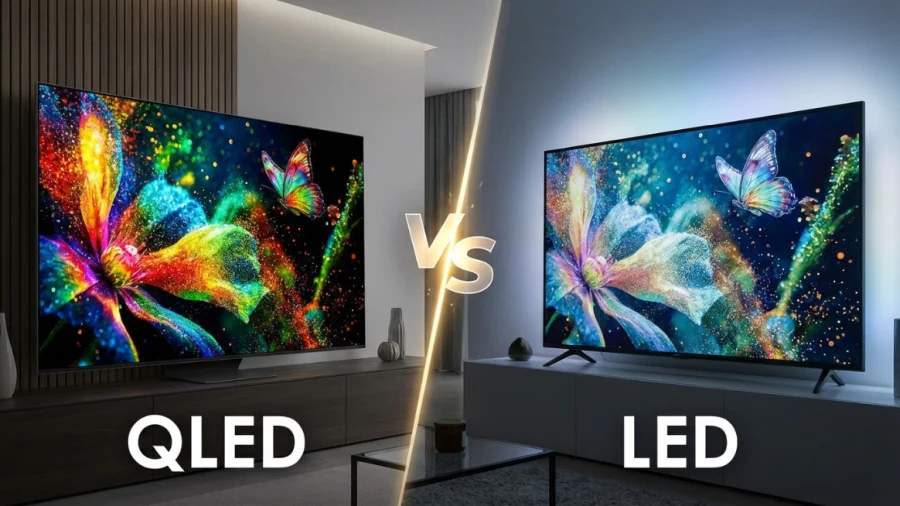
QLED vs LED: Which TV Should You Actually Buy?
Walk into any electronics store today and you will be confronted by a wall of televisions, each one competing for your attention with specs, buzzwords, and price tags that seem…
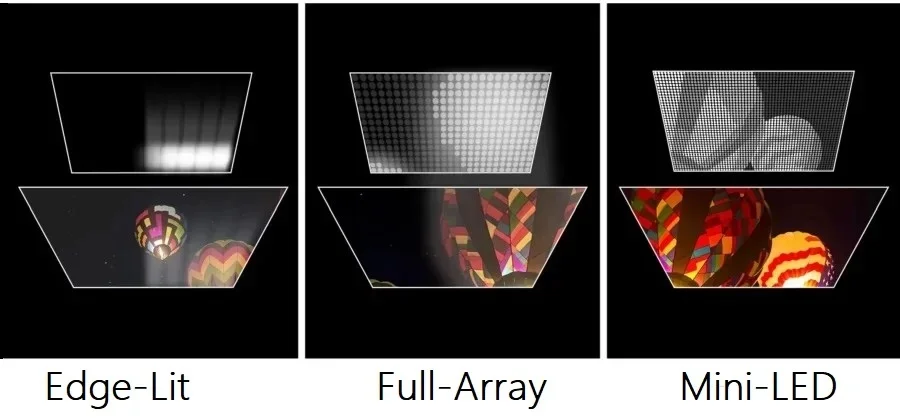
Local Dimming: Enhancing Contrast on TVs and Monitors
Local dimming is a display technology that enables a screen to adjust the brightness of specific areas independently, rather than applying a uniform brightness across the entire panel. This capability…

HDR True Black 400, 500, 600: New Era of Darker Blacks in Display Technology
High Dynamic Range (HDR) technology is a significant advancement in display technology. It enhances the quality of an image or video by increasing the contrast between the lightest whites and…
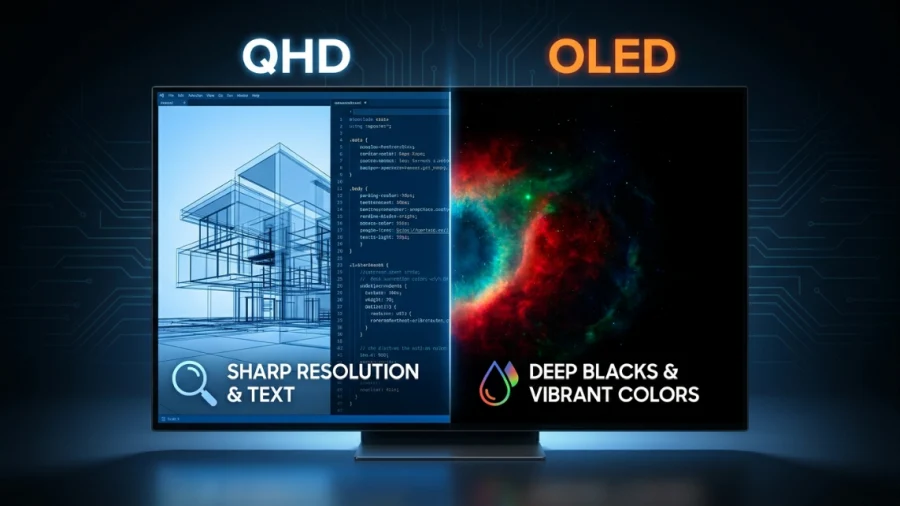
QHD vs. OLED: Resolution, Panel Tech, and What Actually Matters
If you’ve been shopping for a new monitor, TV, or phone, you’ve probably run into both of these terms in product listings and wondered how they stack up against each…

Why IP Quality Matters in Large-Scale Web Research
Most data collection projects don’t fail because the parser broke. They fail because the IP addresses feeding that parser were flagged, throttled, or quietly served the wrong content weeks before…

LTPO OLED Display Technology: AMOLED Gets Adaptive
Modern electronic devices constantly push the boundaries of screen quality. Users demand vibrant colours, deep blacks, and smooth motion. Simultaneously, expectations for long battery life have never been higher. Reconciling…

OLED Technology Explained: The Cornerstone of Modern Displays
OLED technology represents a pinnacle of modern visual display innovation. OLED stands for organic light-emitting diode, and it is a type of display that uses organic materials to emit light…
Mini LED vs OLED: Which Display Technology Reigns Supreme?
Choosing a new television or monitor often involves navigating complex technical terms. Two dominant display technologies currently vying for consumer attention are Mini LED and OLED. Mini LED refers to…
HDR10 vs HDR10+ vs Dolby Vision: HDR Formats Explained
High Dynamic Range (HDR) has fundamentally changed how we experience video content at home. By expanding the range between the darkest shadows and the brightest highlights, HDR creates images that…
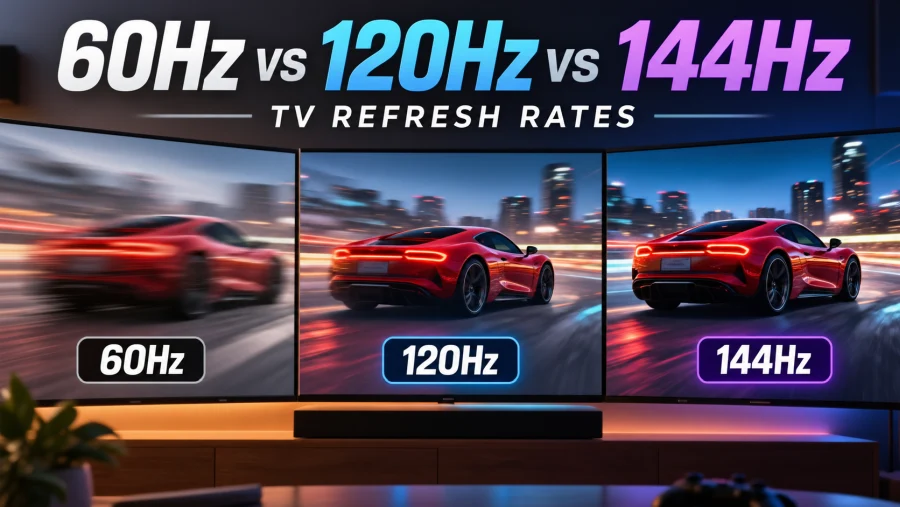
60Hz vs 120Hz vs 144Hz TV Refresh Rates: Movies, Sports, and Gaming
Shopping for a new TV means wading through spec sheets where the numbers keep climbing. 60Hz, 120Hz, and now even 144Hz show up in product listings, and it is hard…

Sound On, Voice Off: The Art of Lip Syncing Without Saying a Word
In a world flooded with visual distortions, silence can be the most powerful marketing tool. Scroll through any platform and you’ll see, perfectly synced lips mouthing lyrics, movie quotes, or…
HDR vs OLED – What Sets Them Apart?
Navigating the world of modern display technology can feel like wading through alphabet soup – LED, QLED, HDR, OLED, 4K, 8K. Among the most frequently discussed and often confused terms…
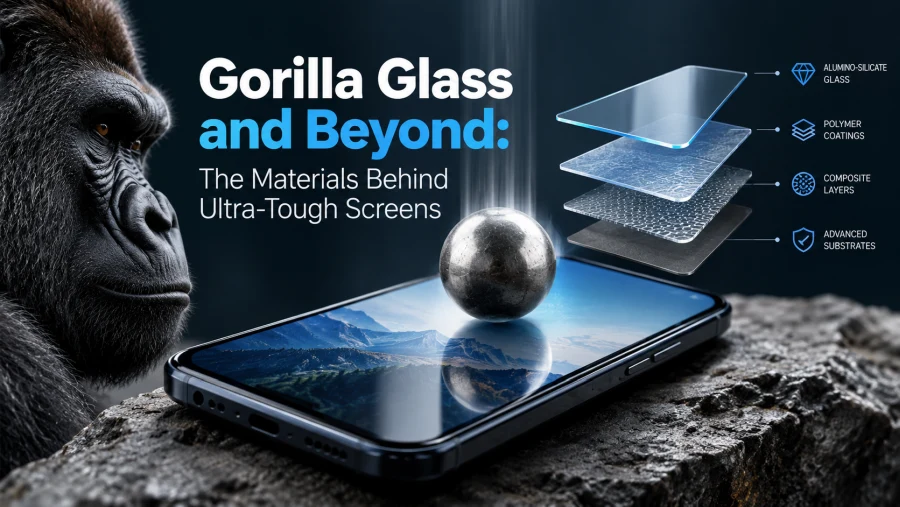
Gorilla Glass and Beyond: The Materials Behind Ultra-Tough Screens
Drop two phones from the same height onto the same pavement. One survives with a faint scuff. The other shatters into a spiderweb of cracks. The difference rarely comes down…
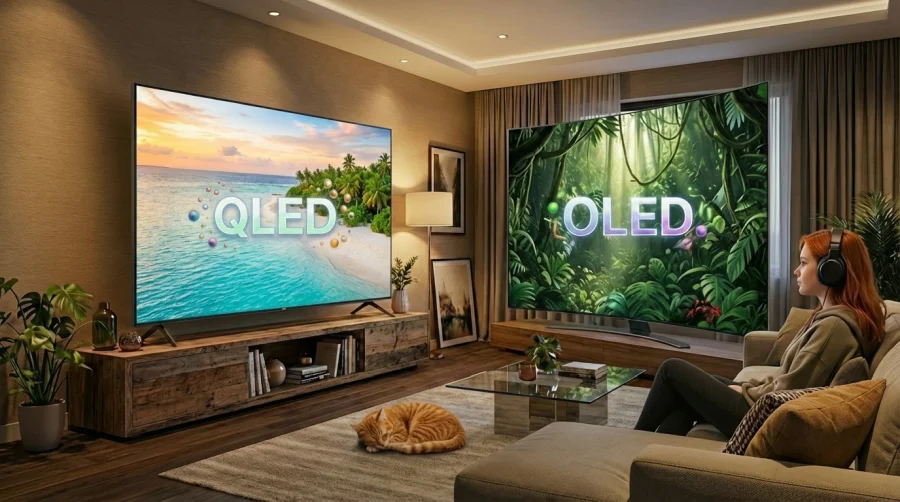
QLED vs OLED: Understanding the Future of Television Display Technology
The television market has undergone a dramatic transformation over the past decade, with display technology advancing at a remarkable pace. Today’s consumers face an increasingly complex decision when choosing a…
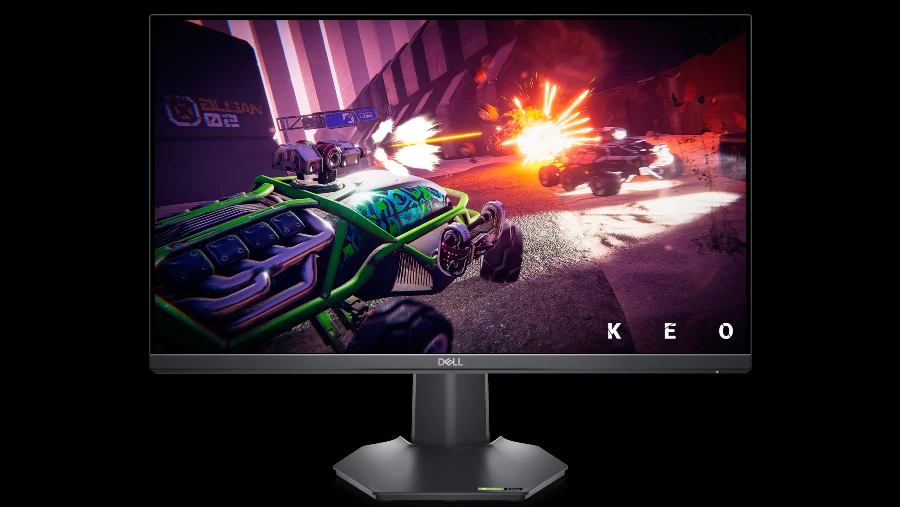
Dell G2422HS Review: 165Hz 1ms 1920 x 1080 IPS; Budget Gamer’s Delight
Our Rating: 4.4★★★★★ Dell G2422HS is a gaming monitor that combines affordability with high performance, making it a popular choice among gamers.This monitor is known for its fast IPS technology,…

Why Linux Users Should Consider Adding VPN Protection
Linux has earned a strong reputation among computer enthusiasts for its stability, customization, and robust security architecture. Some people want to switch to Linux distros because there is less invasive…
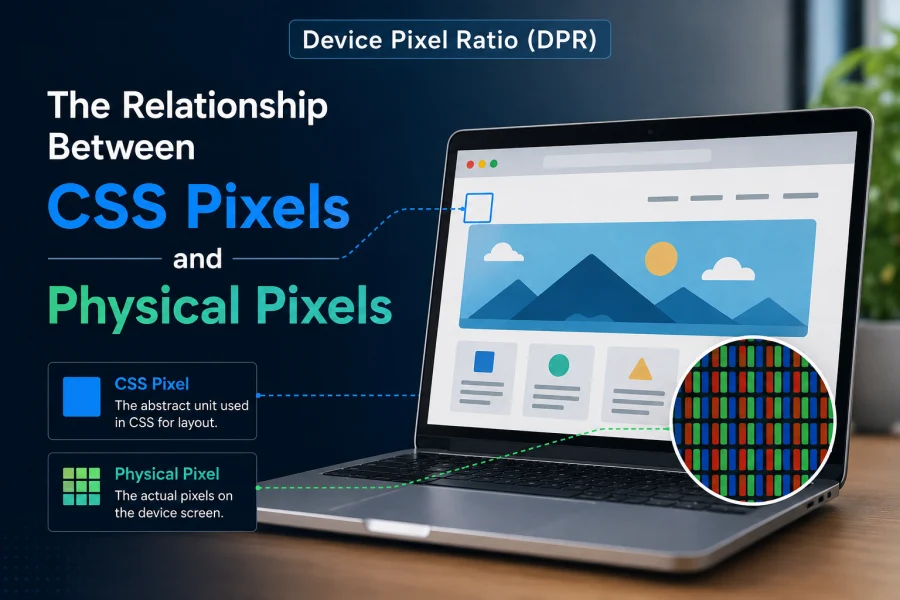
Device Pixel Ratio (DPR): The Relationship Between CSS Pixels and Physical Pixels
If the DPR of your display device is greater than 1, quest for asking yourself “what is my screen resolution?” might have left you wondering why is the info from…
QHD vs 4K: Right Resolution for Your Display
Screen resolution defines the clarity and detail of the image displayed on your screen. It is measured by the number of pixels arranged horizontally and vertically. Higher resolution generally means…
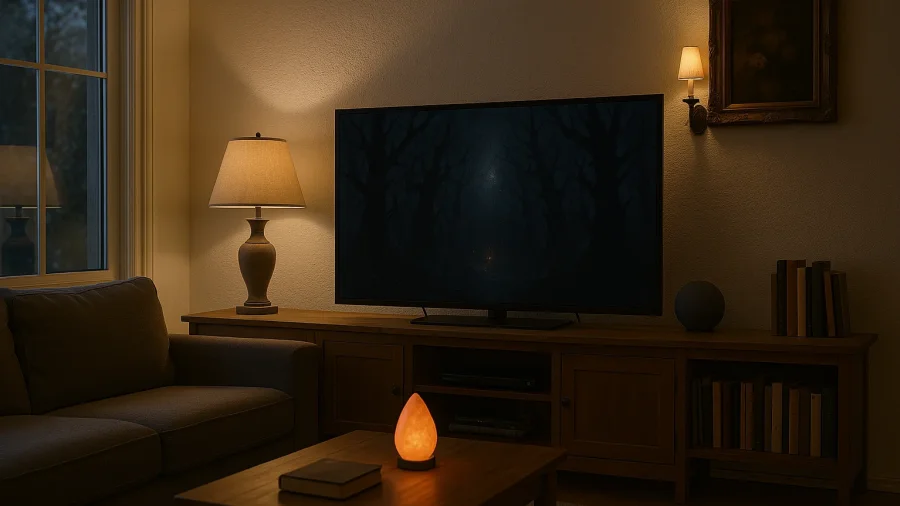
Direct Lit vs Edge Lit vs Full Array: Decoding TV Backlight Technology
When choosing a new television, specifications like resolution (4K, 8K) and screen size often grab the headlines. However, a crucial element significantly impacting picture quality, particularly contrast and black levels,…

HDR vs UHD: Enhancing Resolution and Contrast for the Best Visuals
Display technologies like Ultra High Definition (UHD) and High Dynamic Range (HDR) have redefined how we experience visual content, from the clarity of images to the vibrancy of colors and…

What is My Screen Resolution
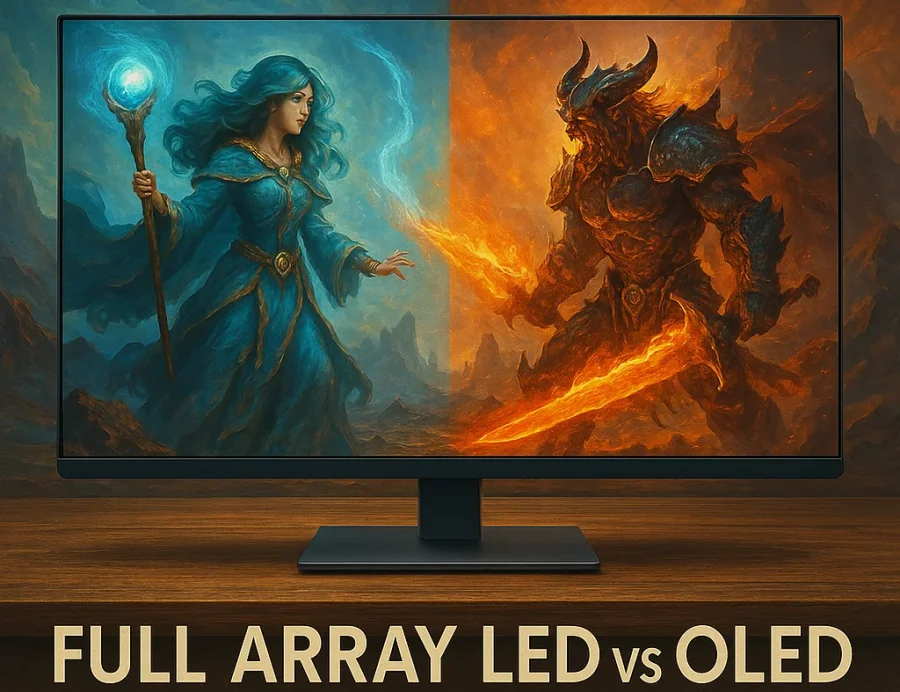
Full Array LED vs OLED: Which Display Technology is Right for You?
Choosing a new television involves navigating a landscape filled with technical jargon. Two dominant premium display technologies you’ll encounter are Full Array LED and OLED. Understanding the fundamental differences between…
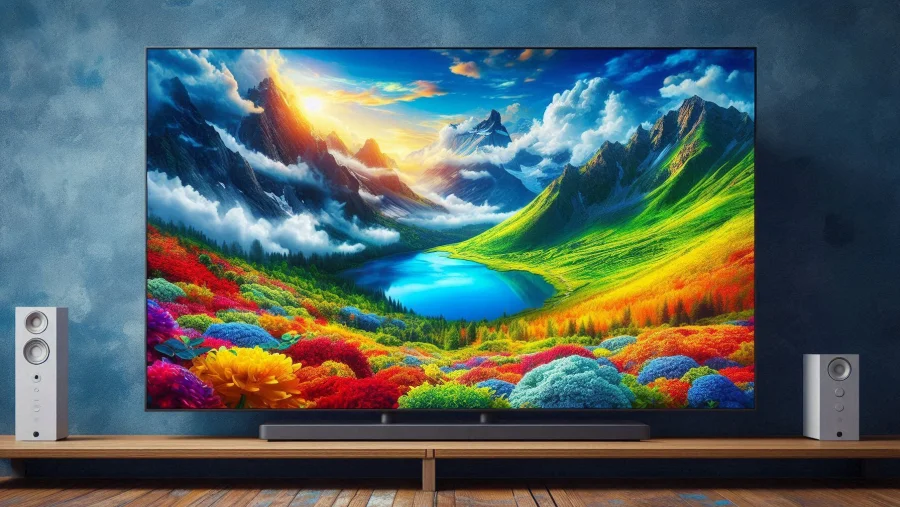
HD vs HDR: Differences and Benefits
High-definition (HD) and high-dynamic-range (HDR) are two terms frequently used when discussing display technology. While both contribute to improved visual quality, they achieve this through different mechanisms. Understanding the differences…

Everything You Need to Know About League of Legends Ranked in 2026
League of Legends ranked is where the game comes alive. It is also where a lot of players hit a wall, because the system that decides your rank has changed…
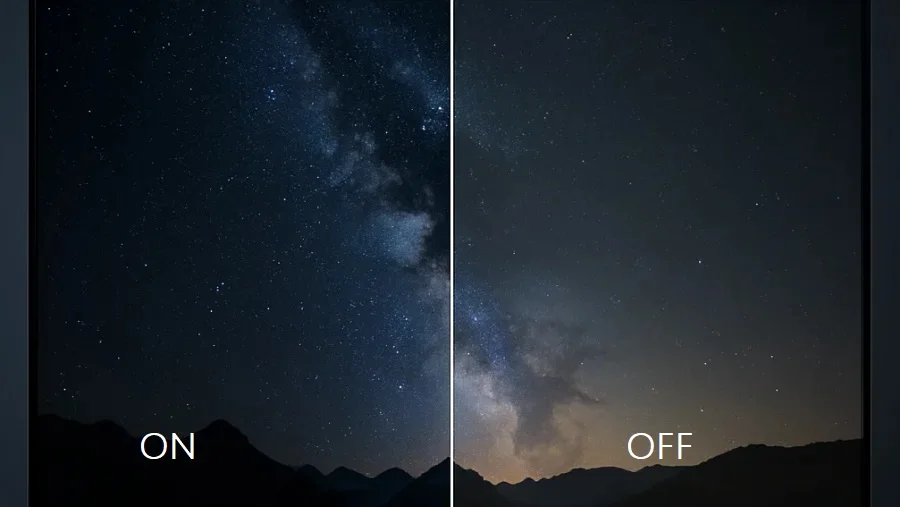
Local Dimming On or Off: A Guide to the Best Settings
When setting up a new TV or high-end monitor, you will inevitably navigate a sea of picture settings. Among the most impactful of these is an option often labelled “Local…
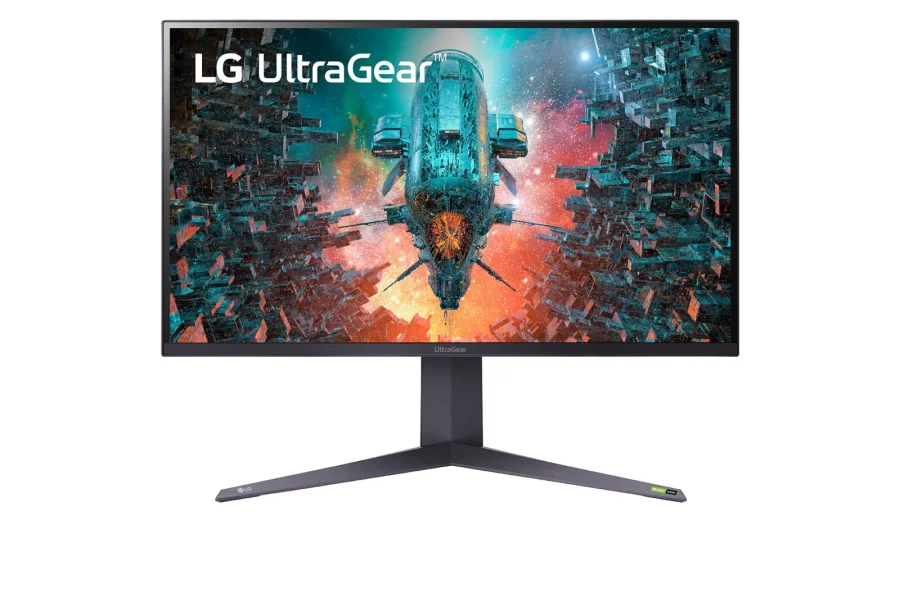
LG 32GQ950-B Review: Nano IPS 1ms (GtG) 144Hz; High-End 4K Gaming
Our Rating: 4.3★★★★★ The LG 32GQ950-B represents the high-end of gaming monitors, positioned as LG’s flagship 4K gaming display. This 32-inch powerhouse aims to deliver the ultimate gaming experience with…

The Rise of Portable Monitors for Remote Financial Traders
Remote financial trading has evolved quickly as technology reshapes how traders operate daily. You no longer need a large office filled with expensive desktop setups. Many traders now prefer flexible…
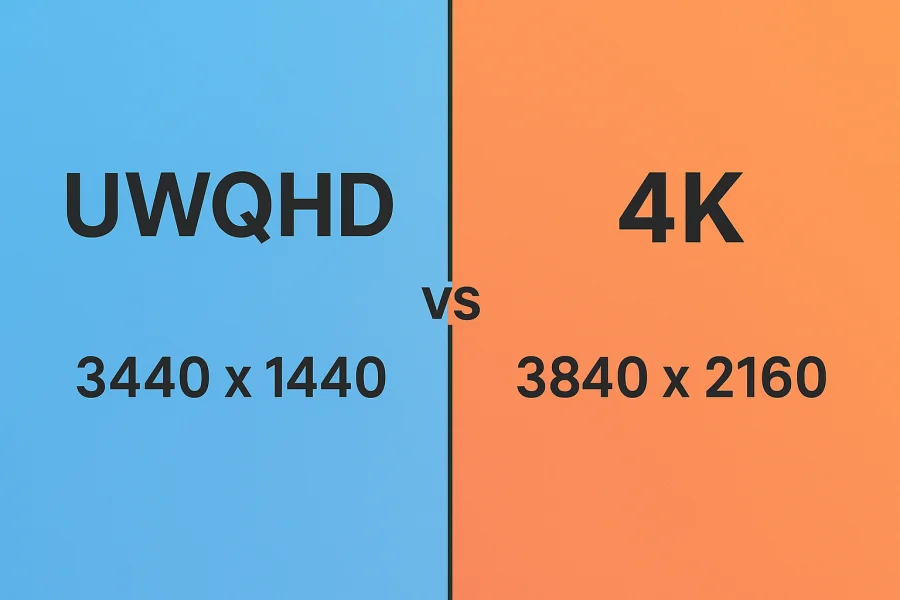
UWQHD vs 4K: How to Decide Between Ultra-Wide and Ultra-Detail
The modern display market offers two compelling resolutions that dominate different use cases: UWQHD (Ultra-Wide Quad HD) at 3440×1440 pixels and 4K (Ultra High Definition) at 3840×2160 pixels. While both…
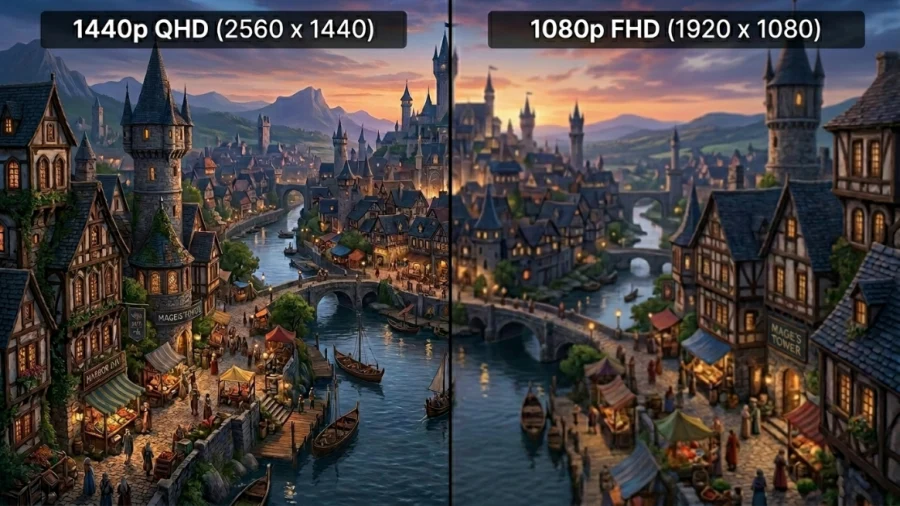
1440p vs 1080p: Which Resolution Should You Choose?
Display resolution has become one of the most important factors when choosing a monitor, laptop, or even a smartphone. As screens grow larger and digital content becomes more detailed, the…

The Rise of Vertical AI: Why Niche Software Sectors Are Winning
The first wave of enterprise AI was all about general-purpose tools. Chatbots, copilots, and content generators promised to help every team in every industry, and many of them delivered useful…
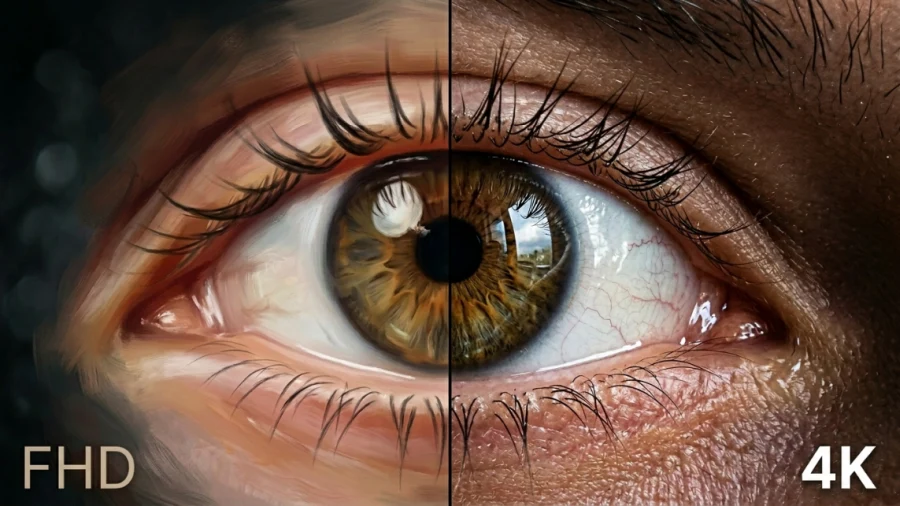
FHD vs 4K: Is the Upgrade Worth It?
Walk into any electronics store and you will be greeted by a wall of televisions and monitors, all promising sharper images and more vivid colors than the one next to…

V-SYNC: What Is It And Should You Use It?
If you have ever noticed your game looking slightly “off” during fast movement, with images appearing to tear horizontally across the screen, you have already encountered the problem that V-SYNC…

Visuals as Strategy: The Graphic Evolution of Call of Duty
While many gamers still hold a deep nostalgia for the 8-bit sprites and CRT-era pixels of classic retro titles, early video game graphics left a lot to the imagination. Back…

How to Keep Your Systems Secure Without Expensive Software
Security budgets are tight for most organizations, especially small businesses, startups, and lean IT teams. Meanwhile, attackers are not slowing down. Ransomware, phishing, and automated scans for vulnerable systems hit…
Blue PHOLED: Illuminating The Future of High-Efficiency Displays
Organic Light Emitting Diode (OLED) technology has revolutionized the display industry by offering thinner, lighter, and more flexible screens with superior color accuracy and contrast compared to traditional LCDs. PHOLED,…
1440p Resolution: The Definitive Guide to QHD
What is 1440p? There is a resolution that sits quietly between the familiar and the extraordinary, demanding little in the way of sacrifice while delivering a genuine leap in visual…
HDR10 vs 4K: Showdown for Superior Visuals
When it comes to enhancing your home entertainment experience, two terms often surface: HDR10 and 4K. While both promise a superior viewing experience, they enhance your visuals in fundamentally different…

Everything you need to know about Battlefield 6
Battlefield 6 is the game that the series desperately needed. After the disastrous launch of Battlefield 2042 in 2021, trust in the franchise had hit an all-time low. Players abandoned…
1ms MPRT Response Time: The Key to Smoother Gaming
Moving Picture Response Time (MPRT) measures the time a pixel remains visible on the screen as an image moves.It is a crucial metric for evaluating the motion clarity of a…