




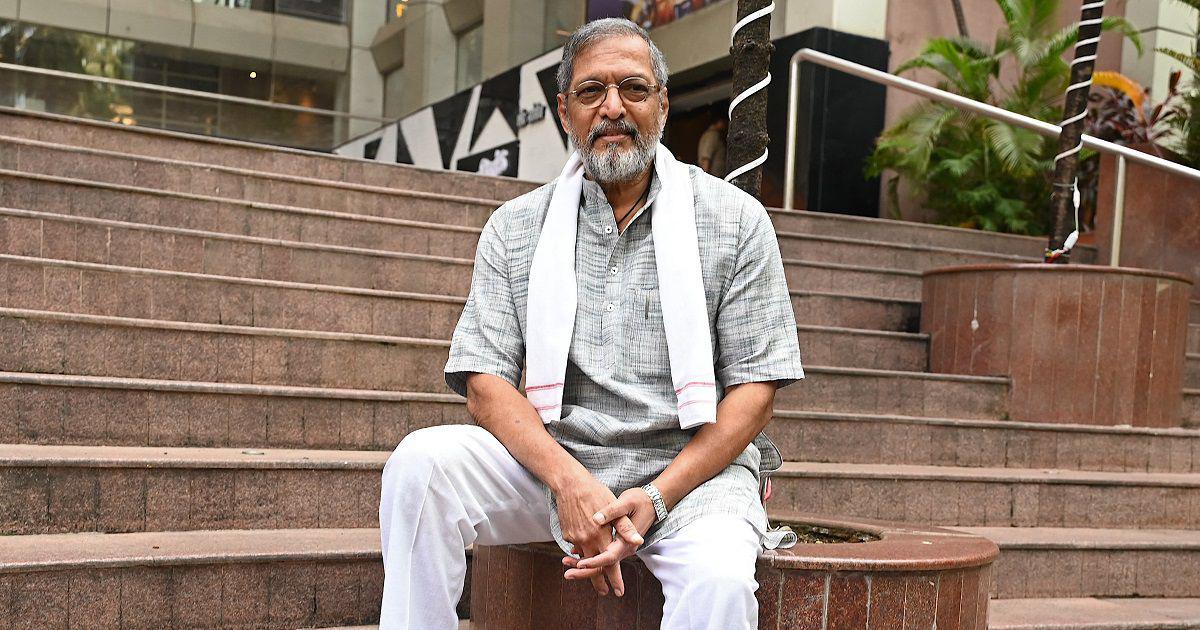
The world knew him as Nana Patekar. But I knew him as Vishwanath Patekar.
My connection with the actor came through GD Tari and his wife Kamala, whom Nana lovingly called Aai and Baba, or mother and father. I lived next door to the Taris in Kalyan in the 1980s. Before they moved to Kalyan, the Taris resided in Sion, where they first met Patekar.
Patekar had had a troubled childhood. The Tari couple gave Patekar something that mattered more than money or opportunity: a sense of belonging. When he enrolled in the JJ School of Art, they supported him throughout the course, alongside their own sons. He never forgot it.
In 1986, after Patekar gained popularity with the film Ankush, he dropped into Birla College in Kalyan. The crowds were huge, so when GD Tari got there, he had no way to get in.
My sister and I were accompanying Tari. When Patekar returned to his car, Tari tapped on the window. Patekar leapt out of the car and hugged Tari, repeatedly saying, baba, tumhi aalat. Father, you are finally here.
After this incident, Patekar began to recognise me too. He would invite me to his home whenever I wanted to interview him. We shared a love of seafood. The last time I met him, as soon as the interview was done, he wanted to discuss the bhootai saar (sardine curry) that he had eaten in Malpe.
Nana Patekar died on Thursday from a cardiac arrest at his residence in Goa. He was 75. Known for his explosive acting style, idiosyncratic behaviour and headline-making statements, Patekar was a true force of nature.
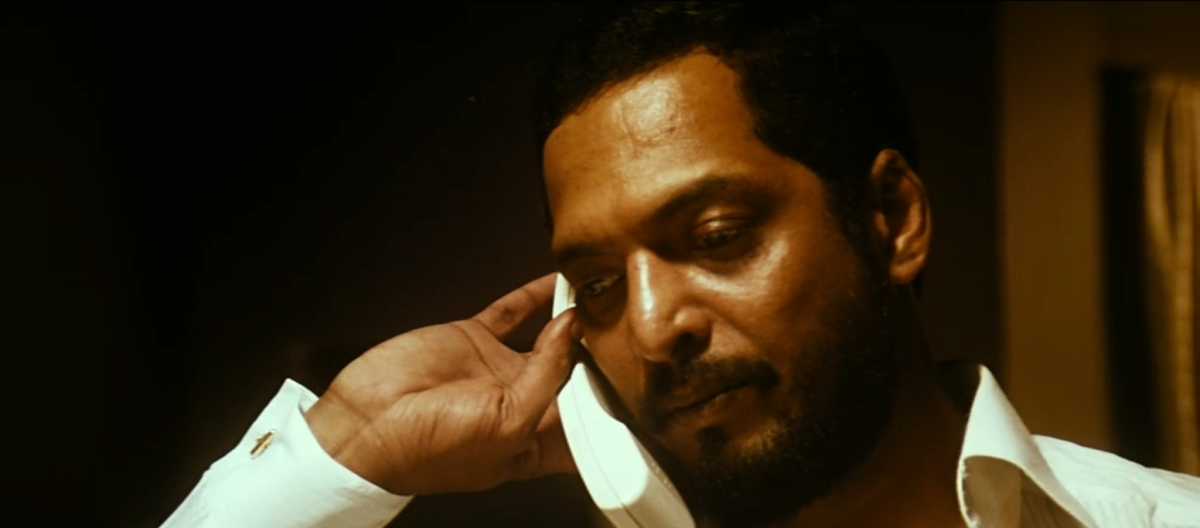
I remember him being wiry and gregarious, with an infectious laugh and a sharp sense of humour. He would use double entendres and risque proverbs at the drop of a hat.
Patekar first earned his formidable reputation in Marathi plays for the Avishkar group and Vijaya Mehta. After pivoting to Marathi and Hindi films in the mid-1980s, he displayed his range in Maaficha Sakshidar, Ankush, Salaam Bombay!, Parinda and Trishagni.
His intensity was uncomfortable to watch at times. Even when he was quiet, there was the feeling that something inside him was moving.
His performance as the gangster Anna in Vidhu Vinod Chopra’s Parinda (1989) turned that intensity into a firestorm. Chopra once recounted how a quarrel with Patekar on the set began as a verbal exchange and then escalated into a physical fight. Patekar’s shirt was torn. He was furious and in tears. When the scene was finally shot, he appeared in a vest. That vest, born out of an ugly moment behind the camera, became part of one of the most memorable images from the film.
In 1991, Patekar directed his only film, Prahaar, in which he also starred as an Army officer who becomes a vigilante. Prahaar, alongside Angaar, Krantiveer, Diksha and Hu Tu Tu, revealed Patekar’s engagement with the themes of power, violence and human compromise.
Signs of the levity lurking behind the fury were already evident in some of the early films, among them Thodasa Roomani Ho Jaaye and Raju Ban Gaya Gentleman. In his better films in the 1990s and 2000s – Disha, Khamoshi, Ab Tak Chhappan, Taxi No 9211 – Patekar showed that there was more to him than brooding intensity, which reached parodic levels in Tirangaa and Ghulam-e-Mustafa.
In Welcome, Patekar turned fury into farce. There’s a separate fanbase for Patekar’s hot-headed gangster Uday Shetty. A meme from Welcome, in which Uday Shetty spits out his drink, is a favourite even among Gen Alpha.
For younger viewers, he was no longer the terrifying face of Parinda or Angaar. He could make a room explode with laughter simply by losing his temper.
That transformation said something important about Patekar. He did not reinvent himself by becoming somebody else. He kept finding new uses for the same raw material.
Social media provided unfiltered glimpses into the man behind a public image defined by anger, aggression and confrontation. But there was another side to the story.
There were unhealed scars from a marriage that ended in separation, and from the death of his older son at a very young age. The controversies were equally difficult.
In 2018, actor Tanushree Dutta accused Nana of sexual harassing her during the making of Horn ‘Ok’ Pleassss. Patekar denied the allegation. The Mumbai Police and later the courts, declined to investigate Dutta’s claim, citing insufficient evidence.
Patekar’s outspoken manner got him into trouble at times. He publicly criticised Bal Thackeray for attacking the satirist PL Deshpande and upbraided Lata Mangeshkar for opposing an important flyover that was to wind past her apartment in Mumbai.
While Patekar supported farmers and animal rights, his relationship with power was complicated. In his later years, he was known to be close to Maharashtra’s Deputy Chief Minister Eknath Shinde.
Nana Patekar was a paradox. Attempts to neatly define him nearly always fail.
He could be fiercely generous and startlingly abrasive. He could be deeply private and spectacularly public. He could lift a film while also giving directors and co-actors hell.
When I think of him, I return to GD and Kamala Tari. To the young Nana who came into their lives with talent and determination. To the boy they supported when few others believed in him.
The rest became cinema history. Or folklore.
