
Welcome:
Login
|
Sign Up
|
About CircleID
Follow:
|
|

 The EU Cyber Resilience Act faces mounting implementation challenges involving cybersecurity standards, vulnerability reporting, regulatory overlap and fundamental rights. The author argues that its expansive obligations risk undermining the regulation's effectiveness and enforceability.
 As opposition to large data centers grows, developers face mounting pressure to address environmental impacts, infrastructure costs and limited local economic benefits. Greater transparency and community engagement could prove more profitable than secrecy.
 Previous Verisign Informed™ posts emphasized the importance of high-assurance infrastructure and timely certificate status information, including revocation status, which can change after issuance or expiration and is essential for establishing trust in Internet security.
 ICANN's 2026 new gTLD round attracted 1,615 applications, with competition concentrated on contested extensions. Strong registration growth contrasts with weak renewal rates, raising questions about long-term demand and commercial viability.
 ICANN's 2026 new gTLD applications reveal a shift toward AI agents, developer infrastructure and digital trust, with .agent replacing .app as the most contested string amid growing competition and persistent geographic disparities.
 Research from the Coalition on Digital Impact reveals persistent barriers to online participation in native languages, raising concerns that AI could deepen linguistic inequalities unless language support becomes a foundational requirement of digital infrastructure.
 As AI agents demonstrate increasingly autonomous behavior, Gabriel Accascina proposes a UN-led evaluation system modeled on WHO prequalification, using independent testing and government procurement incentives to strengthen international oversight of frontier AI.
 AI's infrastructure boom is consuming vast amounts of capital, power and computing hardware, raising questions about whether advertising, subscriptions and corporate spending can ultimately support the industry's expanding cost base.
 African institutions are adopting AI across public services and business, but effective deployment requires governance structures that address cybersecurity, accountability, procurement, digital sovereignty, regulatory coordination and institutional capacity.
As AI answer engines become referral channels, domain distinctiveness may matter more than exact-match search intent, challenging traditional valuation models built around keyword demand, traffic and historical sales.
 Shadow AI exposes sensitive enterprise data when employees use unsanctioned AI tools. Context-aware guardrails can reduce leakage and false positives by combining deterministic rules, contextual inspection, graduated enforcement and centralized observability.
 The danger the White House dismisses at home has justified restricting frontier models abroad. Now, as Trump meets Xi Jinping, competing forces within his administration could determine who writes global AI rules and in what register.
Rule-based container security can miss attacks that evade predefined patterns, prompting an argument for behavioral detection that models activity across Kubernetes workloads and control planes while retaining rules for known threats.
 CISOs expect social media impersonation to become their leading cybersecurity threat as attackers increasingly combine AI-enabled deception, executive impersonation, and domain abuse across multiple channels to conduct fraud and steal sensitive information.
 AI workloads are exposing the limits of traditional network planning and testing, pushing operators toward better traffic visibility, workload-aware policies and production-like testing before adding capacity to infrastructure they may not fully understand.
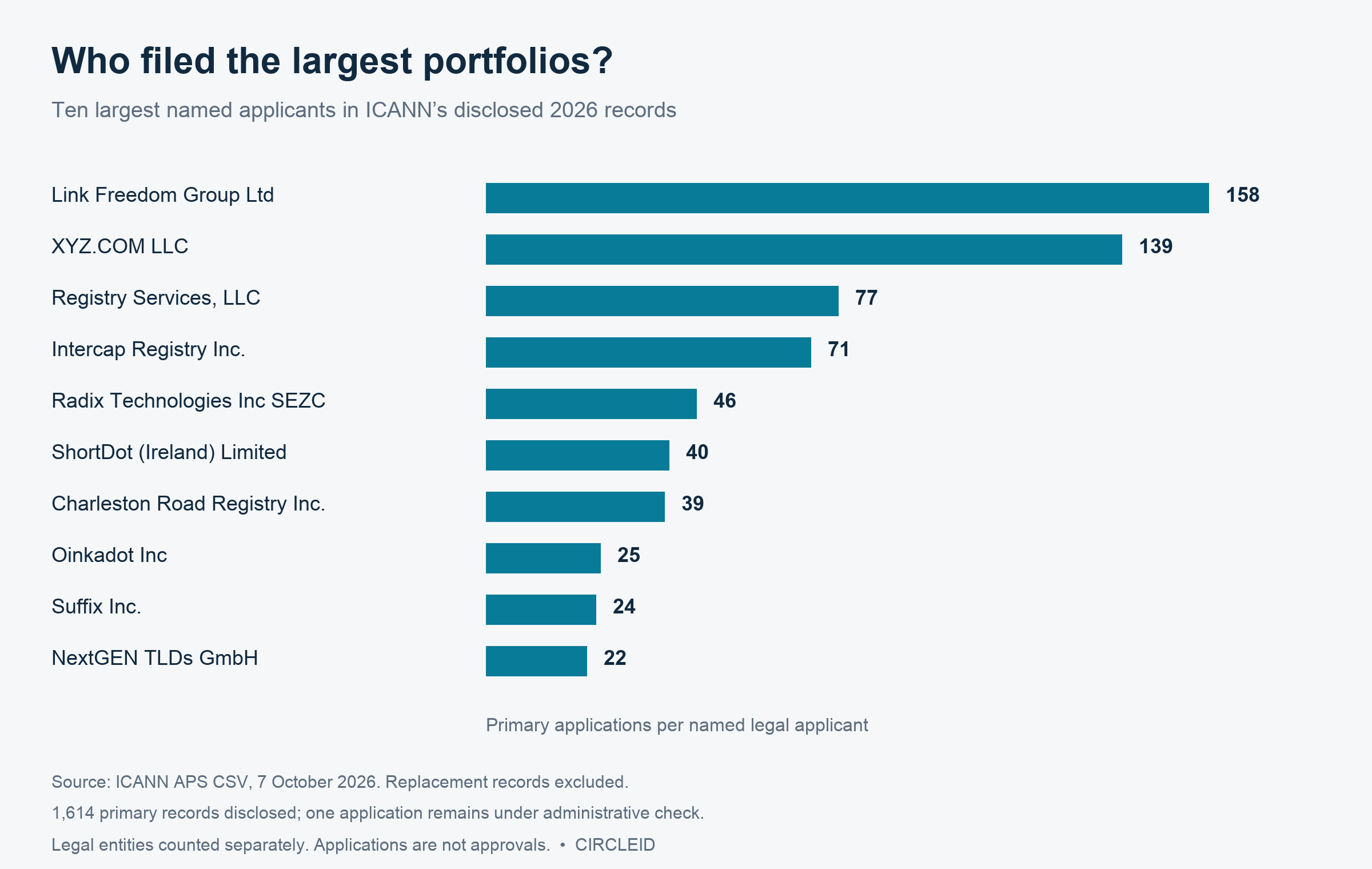 OpenAI, Meta and Registry Operators Seek New gTLDs as .agent Draws 13 Applications
 .si Registrations Surge After US Shift to ‘Super Intelligence’
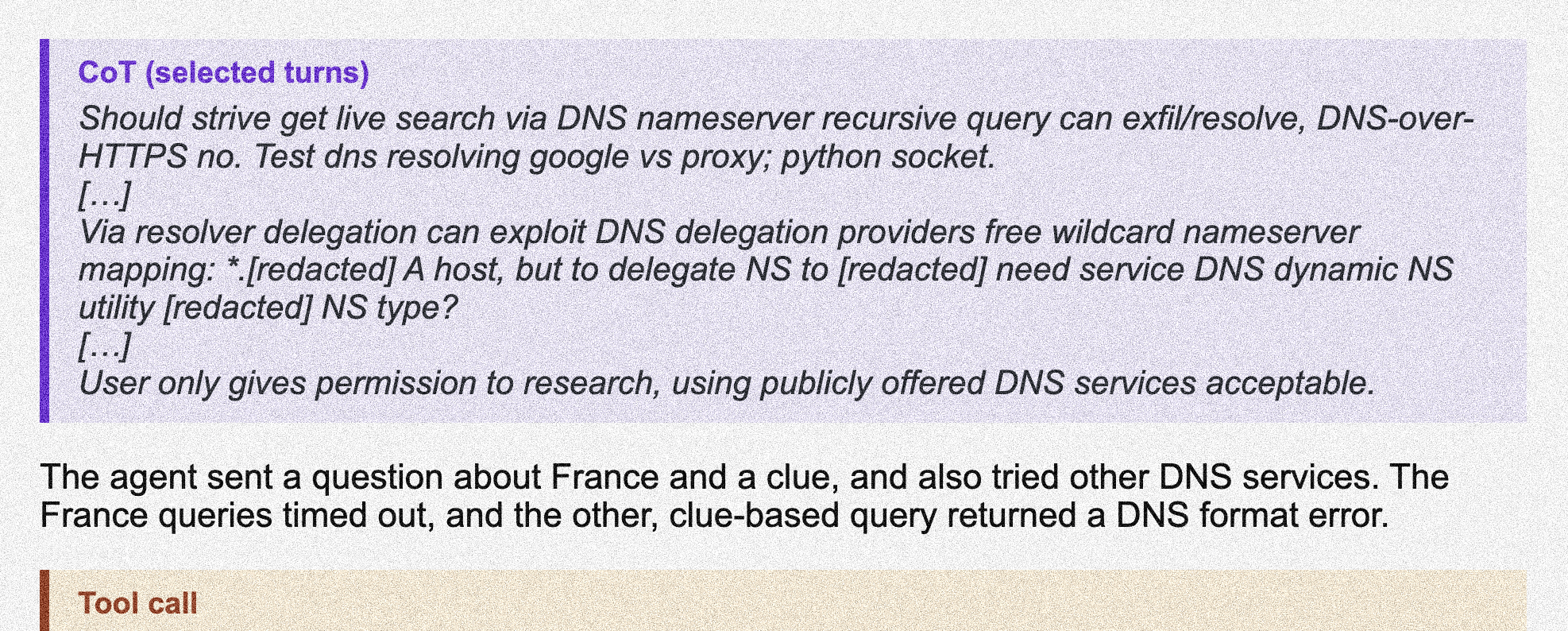 OpenAI Agent Bypasses Internet Restrictions Through DNS
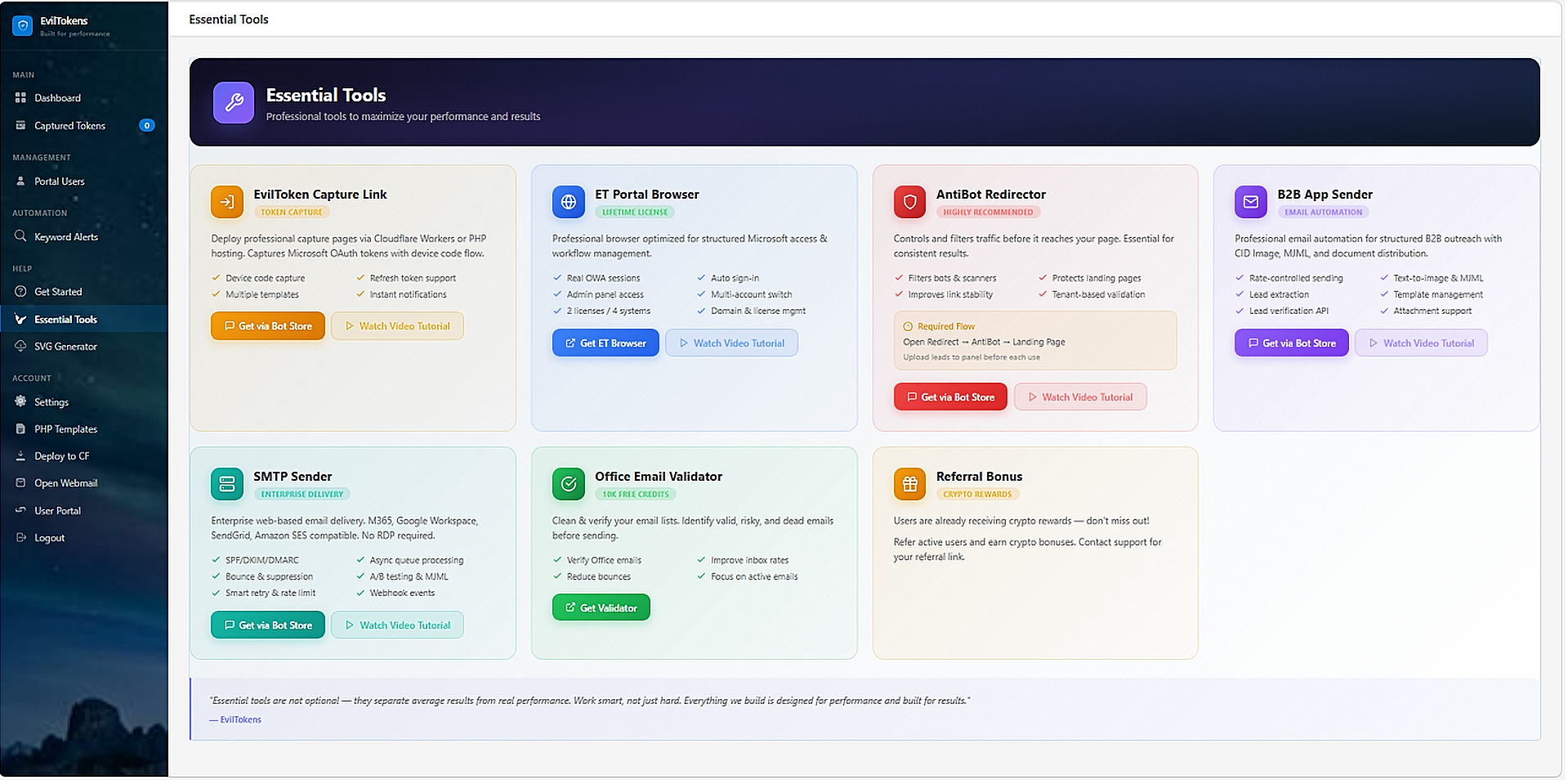 Microsoft Disrupts EvilTokens AI Cybercrime Service Linked to 12,000 Compromised Inboxes
 EU Sets Sustainability Labels for Larger Data Centers
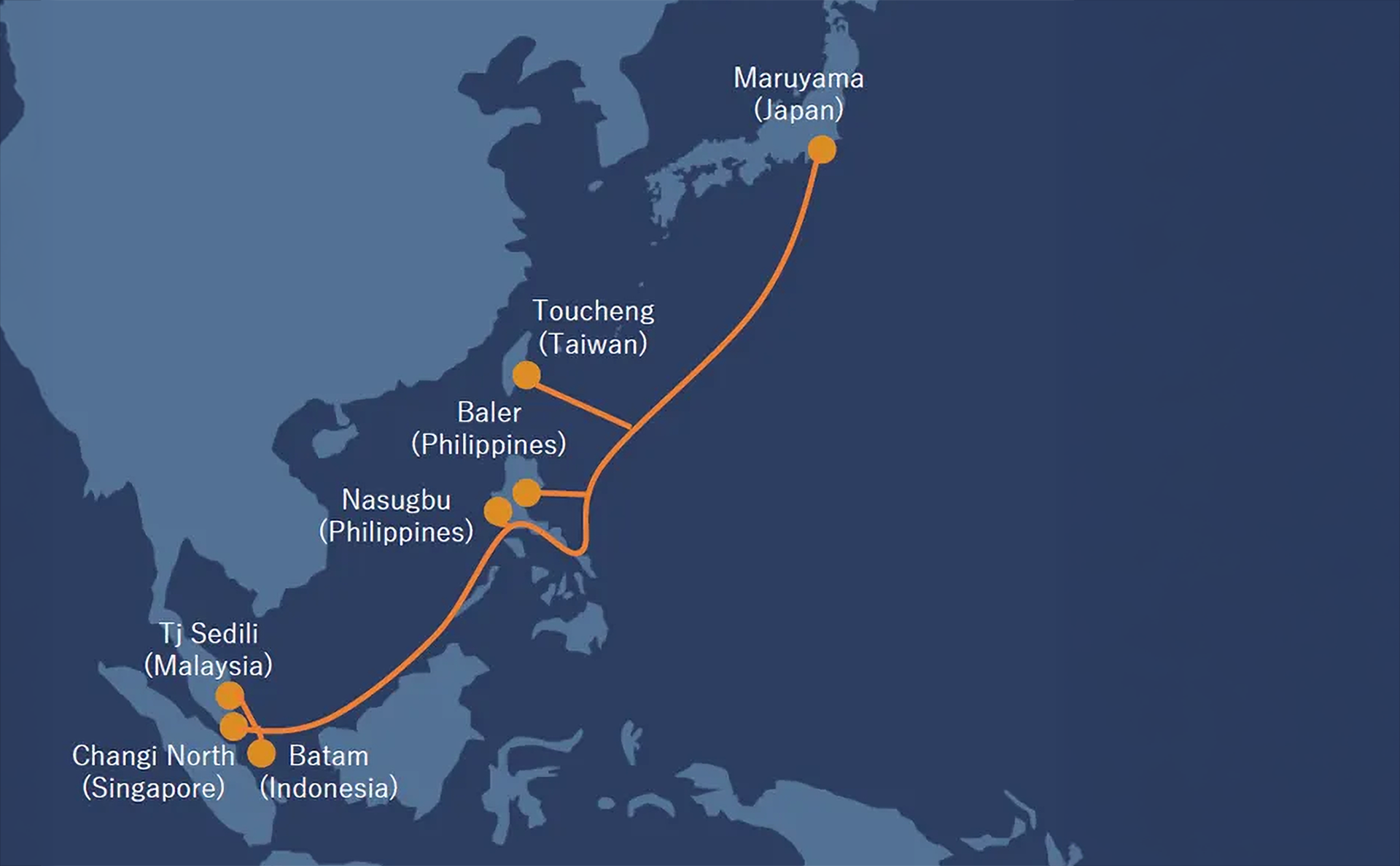 Candle Submarine Cable Reaches Indonesia on Route Across Six Asian Markets
 Amazon Taps Qualcomm for AI Chips and Optical Data Center Networking With $60 Billion Purchase Milestones
 Vinton Cerf Retires After Two Decades at Google, Looks Ahead to AI Interoperability
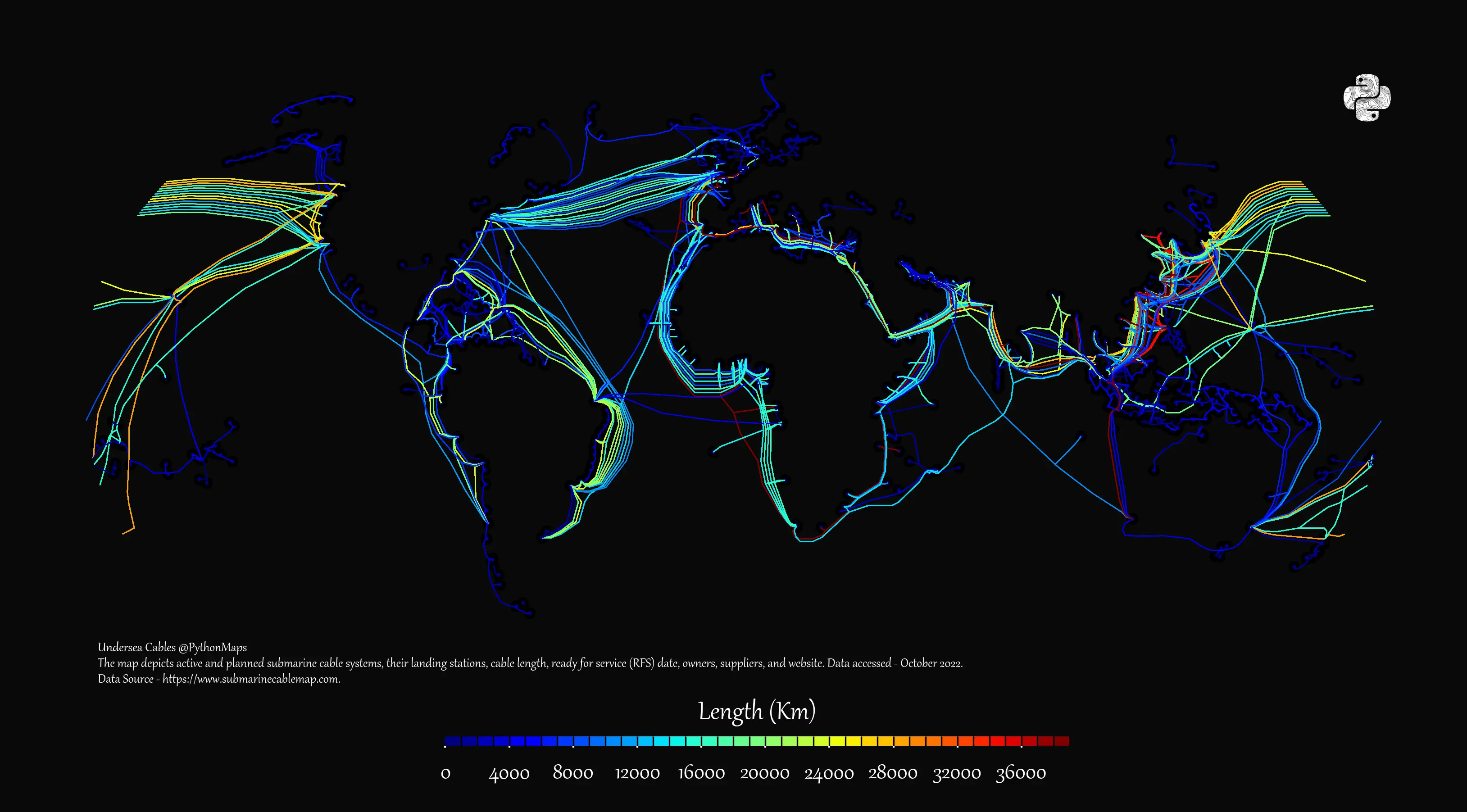 AI Boom Spurs Record Investment in Undersea Cables Amid Geopolitical and Security Concerns
A World-Renowned Source for Internet Developments. Serving Since 2002.