 Computer Programming
 Web Programming
 Computer Science
 Computer Network
 Computer Database
 Computer Architecture
 Computer Security
 Operating Systems
 Office Applications
 Computer Graphics
 Other IT Topics
Free Computer Science PDF Library: From Theory to Practice
Download free Computer Science PDFs - algorithms, theory, and practical coding guides. Perfect for students and professionals. Updated resources!
Filters & sort 23 PDFs
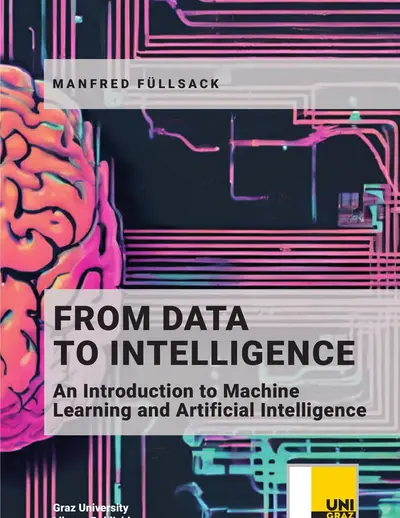
From Data to Intelligence — Machine Learning Guide
Download free From Data to Intelligence PDF. Learn data preparation, machine learning basics, natural language processing, and AI ethics. Perfect for beginners.
Open
Introduction to Computer Science
Download free Introduction to Computer Science PDF. Learn algorithms, data structures, software development, and cloud computing. Perfect for beginner students.
Open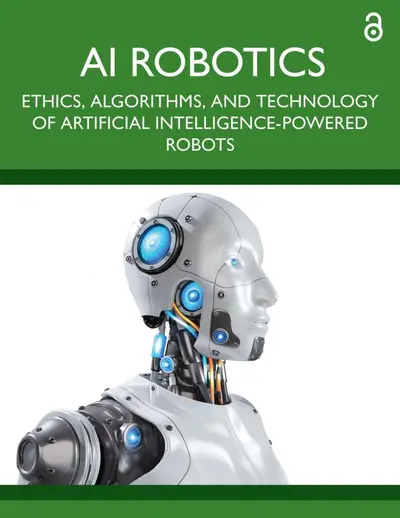
AI Robotics: Ethics, Algorithms & Technology
Download free AI Robotics PDF. Learn ethical AI use, robot vision, emotional intelligence, and autonomous robot planning. Perfect for students and engineers.
Open
Open Source Intelligence Tools & Resources Handbook
Discover essential OSINT tools, techniques, and best practices in this detailed guide to enhance your open-source intelligence capabilities.
Open
Data Science Crash Course: Master Essential Skills
Download free Data Science Crash Course PDF. Learn data visualization, data manipulation, machine learning, and best practices. Perfect for beginners.
Open
Data Science and Machine Learning
Practical overview of data science and machine learning: neural networks, SVMs, decision trees, kernel methods, plus model evaluation and deployment tips.
Open
Artificial Intelligence for a Better Future
Ethics-first guide to AI that blends virtue ethics, governance, and socio-technical perspectives with practical principles for responsible design.
Open
An Introduction to Statistical Learning: Master Key Concepts
Download free An Introduction to Statistical Learning PDF. Learn regression analysis, classification methods, model evaluation, and data preprocessing.
Open
Complete Guide to Computer Science I Fundamentals
Explore foundational computer science topics, programming basics, and practical coding skills from a complete free textbook by Dr. Chris Bourke.
Open
Philosophy of Computer Science
Explore the philosophy of computer science with this comprehensive PDF covering key concepts, applications, and the evolving role of computing in society.
Open
Static Program Analysis: Control Sensitivity
Explore control sensitivity, relational analysis, and interprocedural techniques for precise program analysis in this comprehensive guide.
Open
Developing Children’s Computational
Research-backed approaches to teaching programming to children, focusing on abstraction, computational thinking, Scratch activities, and classroom assessment.
Open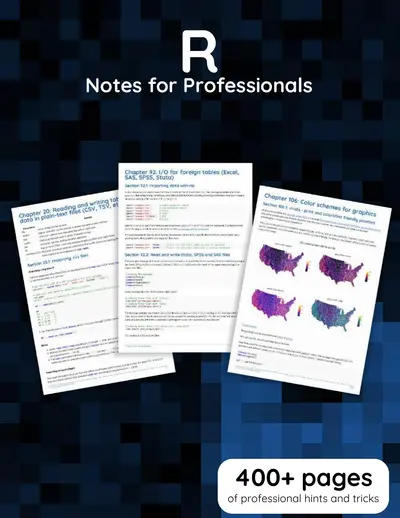
R Notes for Professionals book
Learn R programming with this free PDF. Covers data manipulation, statistical analysis, visualization, and best practices. Perfect for data enthusiasts.
Open
Learning R Language: Practical Data Analysis
Learn R programming with this free PDF. Covers data structures, visualization, statistical analysis, and reporting. Perfect for data enthusiasts.
Open
A Student’s Guide to R: Data Visualization Techniques
Discover essential techniques for data visualization in R, including plots, histograms, and density curves. Perfect for students and beginners!
Open
Introduction to Computing: Foundations and Concepts
Explore essential computing concepts with the Introduction to Computing PDF. Learn fundamentals, theory, applications, and exercises for beginners and pro.
Open
How to Be a Programmer: Essential Skills & Insights
Explore How to Be a Programmer, a comprehensive guide offering vital programming skills, best practices, and career advice for aspiring and intermediate coder
Open
Mastering UML Sequence Diagrams for Software Engineering
Learn UML sequence diagrams syntax, semantics, examples, and practical use cases to enhance your software engineering skills effectively.
Open
Argo UML Tool Tutorial Overview
Master UML design with the Argo UML Tool Tutorial—learn use case, class, sequence, and state diagrams for effective software modeling.
Open
Unified Modeling Language 2.0 Tutorial
Master UML 2.0 with this comprehensive tutorial covering best practices, diagram creation, and industrial applications for effective software modeling.
OpenAbout Computer Science PDFs
Computer Science covers core theoretical and practical topics, including programming, algorithms, computer architecture, software engineering, and computational theory.
Computer Science is a rapidly growing field that plays a vital role in shaping the modern world. This category is dedicated to providing you with high-quality resources to help you explore the exciting world of computer science, including the theory, design, development, and application of computer software and hardware. By downloading the ebooks listed in this category, you'll have the opportunity to gain a deeper understanding of fundamental concepts such as algorithms, data structures, programming languages, and software development practices. You'll also have the chance to explore cutting-edge topics such as artificial intelligence, machine learning, data science, and more. Whether you're a student, a developer, or simply curious about the field of computer science, the resources in this category will help you stay up-to-date with the latest trends and developments, and equip you with the knowledge and skills you need to succeed in the ever-evolving world of technology.
Why The Computer Science is Fundamental?
Computer science is fundamental because it underpins many aspects of modern society and has transformed the way we live, work, and communicate. Here are a few reasons why computer science is so important:
- Technology: Computer science is at the heart of modern technology, from smartphones and laptops to self-driving cars and smart homes. As technology continues to evolve at an exponential rate, computer science will be essential for understanding and shaping the future of technology.
- Innovation: Computer science drives innovation and new ideas. By providing a framework for solving problems using computational thinking, computer science enables individuals and organizations to develop new technologies and find innovative solutions to complex challenges.
- Job Opportunities: As technology continues to grow and become increasingly pervasive in our daily lives, the demand for skilled computer scientists is growing rapidly. Pursuing a career in computer science can open up a world of opportunities and provide a pathway to a fulfilling and rewarding career.
- Scientific Research: Computer science is also fundamental to scientific research, enabling scientists to process and analyze large amounts of data, simulate complex systems, and develop new algorithms and models.
Overall, computer science is fundamental because it is a powerful tool for solving problems, driving innovation, and shaping the future. By understanding computer science, individuals and organizations can unlock new opportunities and develop innovative solutions to some of the world's most pressing challenges.
How to Get Started?
If you're a beginner and want to get started with computer science, here are some steps you can take:
- Start with the Basics: Begin by learning the basics of computer science such as algorithms, data structures, programming languages, and software development practices. You can find introductory courses online or at local colleges and universities.
- Practice, Practice, Practice: Practice coding and problem-solving regularly. Start with small programs and gradually build up to more complex projects. Try working on personal projects, participating in coding challenges or competitions, and contributing to open-source projects.
- Join a Community: Joining a community of like-minded individuals can help you learn and grow faster. Consider joining local coding meetups, online forums, and social media groups where you can network with other computer scientists and learn from their experiences.
- Learn from Others: Attend conferences, workshops, and talks on computer science topics to learn from experts in the field. You can also find educational resources such as online courses, books, and tutorials.
- Build a Strong Foundation: A strong foundation in mathematics is also important for computer science. Consider taking courses in calculus, linear algebra, and discrete mathematics to help you understand the fundamental concepts of computer science.
Remember that learning computer science is a continuous process, and it takes time and effort to master the subject. Stay curious, keep learning, and don't be afraid to make mistakes. With dedication and practice, you can become a skilled computer scientist.