Blog

  • The Ultimate Guide To Lounge Chair Cushion Thickness

    The Ultimate Guide To Lounge Chair Cushion Thickness

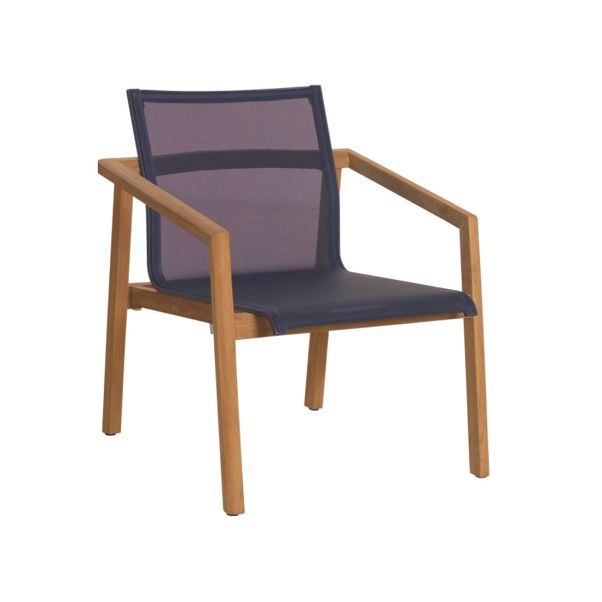
    Lounge chairs provide comfort and relaxation in any setting. However, the thickness of lounge chair cushions can greatly impact the overall experience and support provided by the chair. When buying lounge chairs, cushion thickness is one of the most important things to consider.

    Let’s learn everything you need to know to determine the right thickness for the cushions of your lounge chairs.

    Finding the right foam:

    Thin pads around two inches work best for seats that already have some spring. These are light and easy to move around when the weather changes. They provide a simple layer of protection against a hard frame. If the base is solid wood or metal, a thicker option helps prevent soreness. Simple foam usually keeps its shape well over time.

    Choosing deep support:

    Four inches of padding is the standard for true relaxation. This depth allows the body to sink in without hitting the hard frame underneath. It provides a soft feel that stays cozy for hours of reading or napping. This thickness works well for heavy frames that stay in one spot. It creates a very inviting space for anyone looking to rest.

    Luxury for long days:

    Six inches of cushion offers the highest level of softness available. This feels like a real bed and provides maximum support for the entire body. It is perfect for those who spend whole afternoons lounging in the sun. These pads are quite heavy and take up a lot of space. They turn any simple seat into a premium spot for total peace.

    Checking the material:

    The inside of the pad matters as much as the thickness. High-density foam lasts a long time and does not flatten out quickly. Polyester fiber is softer but might lose its shape after a single season. A mix of both can provide a good balance of softness and strength. Always check if the material can handle a little bit of water.

    Matching the chair style:

    The shape of the furniture dictates how thick the pad should be. Deep-seated frames need more volume to fill the gap and provide proper reach. Low-profile designs look better with sleek, medium-depth padding that does not overwhelm the look. The goal is to make the furniture look complete and ready for use. Proper sizing ensures the pad stays in place without sliding.

  • How Kindergarten School Supports Late-Talking Toddlers

    How Kindergarten School Supports Late-Talking Toddlers

    Every parent waits for those first sweet words. When they don’t arrive on time, worry can creep in. A late-talking toddler is not alone. Many children take extra months to find their voice. Kindergarten offers a gentle push forward. Teachers use play, songs, and daily chats to build speech naturally. Peer interactions create real reasons to speak. 

    Listed below are the steps taken by the best kindergarten in Dubai to help little ones find their words.

    Small class sizes help kids talk:

    When classes are small, teachers can listen to every child. Kids do not get lost in a big group. Each toddler gets personal time to practice sounds and words. This helps them gain confidence without feeling rushed. Smaller groups also mean fewer loud noises, which makes it easier for a quiet child to speak up.

    Play based learning builds words:

    Kids learn best when they are having fun. Teachers use toys and games to introduce new vocabulary. Playing with blocks or dolls creates a natural reason to use words. A child might ask for a red block or a toy car while they play. This way of learning makes speaking a happy part of their day.

    Social time with friends:

    Being around other children is a great way to improve speech. Toddlers watch their friends and try to copy what they say. Working together on a task teaches them how to take turns. They learn that using words helps them play better with others. These daily chats with friends make a big difference in how they talk.

    Visual aids and signs:

    Sometimes, toddlers need extra help to show what they want. Schools use pictures and simple signs to bridge the gap. A child can point to a photo of water or a snack. This stops them from getting upset when they cannot say the word yet. Using these tools helps build a bridge to spoken language over time.

    Routine creates comfort:

    A steady daily plan helps kids feel safe. When toddlers know what happens next, they feel ready to participate. Simple routines like singing a song before lunch help them learn repetitive patterns. Repeating the same words every day helps those words stick. This comfort allows them to try new sounds without any fear.

  • What Every Ship Owner Should Know About Marine Gas Oil Before Bunkering

    What Every Ship Owner Should Know About Marine Gas Oil Before Bunkering

    Bunkering refers to the process of supplying fuel to a ship for its propulsion. It is an essential aspect of maritime operations, and as a ship owner, it is crucial to understand various aspects of bunkering, including the type of fuel used. Marine Gas Oil (MGO) is one type of bunker fuel that has gained popularity in recent years due to its environmental benefits and efficiency.

    Check the sulfur limits:

    Global rules are strict about what comes out of your exhaust pipe. Low sulfur fuels help you stay within legal limits and avoid heavy fines. Always verify that your fuel batch meets the current environmental standards before it enters your tanks. This keeps your records clean and protects the air around your vessel.

    Watch out for water:

    Water is a hidden enemy in any fuel system. It can lead to bacterial growth that clogs filters and damages injectors over time. Always ask for a clear sample to ensure there is no cloudiness or visible liquid separation. Keeping your fuel dry ensures the engine burns every drop efficiently without any unexpected hiccups.

    Monitor the flash point:

    Safety on board starts with the temperature at which fuel vapors ignite. You need to ensure your fuel has a safe flash point to prevent fire hazards in the engine room. Every batch should come with a certificate that proves it is safe for storage and use.

    Understand cold flow properties:

    Fuel can turn thick or waxy when the temperature drops during cold nights. This can stop the flow entirely and leave your ship stuck in place. Ensure the fuel you buy can handle the lowest temperatures your vessel might encounter. Selecting the right grade for your climate prevents wax buildup from choking your fuel lines.

    Verify the viscosity:

    Viscosity affects how well fuel sprays into the combustion chamber for a clean burn. If the liquid is too thick or too thin, your engine will struggle to perform at its peak. Correct viscosity ensures that the fuel pumps work easily without extra wear. A perfect balance leads to better fuel economy and a much longer engine life.

    Keep accurate samples:

    Always take and seal samples during the bunkering process to protect your interests. If a mechanical problem happens later, these bottles are your only proof of what went into your tanks. Store them in a cool place and label them clearly with the date and time. This simple habit saves you from expensive arguments and provides peace of mind.

  • What Certifications and Standards Should a Stone Supplier Have?

    What Certifications and Standards Should a Stone Supplier Have?

    When purchasing natural stone for your project, it’s critical to ensure the supplier adheres to recognized certifications and standards. These qualifications indicate that the supplier operates with quality, safety, and sustainability in mind, giving you confidence in the materials you’re using.

    Industry-Recognized Certifications

    A trusted stone supplier in Dubai should demonstrate compliance with key industry certifications. For example, ISO 9001 certification reflects a commitment to consistent quality management practices. This ensures that their operations meet customer expectations and regulatory requirements. Additionally, adhering to ISO 14001 standards highlights environmental responsibility, showcasing that the supplier minimizes any negative impact on the environment during production and extraction processes.

    Another essential certification to look for is CE marking, particularly in regions such as Europe. This denotes that the stone products meet health, safety, and environmental protection standards, ensuring suitability for construction use.

    Ethical and Sustainable Practices

    Ethical sourcing and sustainability are increasingly crucial in the construction and design sectors. Certifications like the Ethical Stone Register or membership in organizations such as the Natural Stone Sustainability Standard’s affiliates indicate that suppliers prioritize responsible practices. This includes fair labor policies, minimal environmental disruption during quarrying, and responsible resource management.

    Choosing certified suppliers also supports businesses that invest in worker safety and community welfare. Certificates such as the Occupational Health and Safety Management Standard (ISO 45001) demonstrate a dedication to creating safe working conditions for their teams.

    Testing for Quality and Durability

    High-quality stone undergoes rigorous testing to ensure durability and performance under various conditions. Look for suppliers whose materials conform to ASTM (American Society for Testing and Materials) standards or equivalents relevant to your location. These standards measure characteristics such as strength, moisture absorption, and resistance to wear, guaranteeing that you are investing in stone built to last.

    Why Certifications Matter for Your Project

    Verified certifications reflect a supplier’s professionalism and reliability. They provide assurance that the materials have been sourced, processed, and tested under stringent practices. By prioritizing certified suppliers, you minimize the risk of receiving substandard products, save time on potential replacements, and align your project with environmentally-conscious practices.

    Taking the time to check for these qualifications ensures your natural stone investments meet quality expectations while contributing to ethical and sustainable progress in the industry.

  • The Importance Of Drainage In Luxury Landscape Construction

    The Importance Of Drainage In Luxury Landscape Construction

    High end outdoor spaces represent a huge investment in beauty and peace. A stunning garden stays perfect when the hidden parts work well. Water can be a friend to plants but a silent enemy to stone and soil.

    Keeping a yard dry requires significant planning. Professional landscape construction contractors ensure your private paradise stays dry and safe through every season.

    Why water flow matters

    Water that stays in one spot ruins grass and kills expensive plants. It turns a beautiful lawn into a muddy mess that no one wants to see. Proper slopes move rain away from the home so the ground stays firm. Without a plan, puddles will rot the roots of your favorite trees. Solid ground keeps everything looking fresh and clean for a long time.

    Protecting stone work

    Luxury yards often feature heavy stone paths and expensive patios. If water sits under these surfaces, the ground shifts and cracks appear in the masonry. Moving water away keeps the stone level and prevents ugly stains from forming. Good drainage stops tiles from popping up during cold weather cycles. This keeps your hard surfaces looking brand new for many years.

    Preventing foundation issues

    A yard that does not drain well can push water toward the main house. This causes damp walls or even flooded basements which cost a lot to fix. A smart design keeps the area near the walls dry and solid. It protects the structural health of every building on the property. Keeping the base of the home dry is the most vital part of any build.

    Keeping walls strong

    Many fancy gardens use retaining walls to create different levels of land. These walls hold back a lot of dirt that gets very heavy when it rains. Small pipes behind the walls let the water escape so the pressure does not build up. This stops the walls from leaning or falling over after a big storm. A strong wall needs a clear path for water to leave.

    Stopping pests and smells

    Standing water is the perfect place for mosquitoes to lay eggs and multiply. It can also cause the soil to smell bad because of rot and bacteria. A dry yard is much healthier for people and pets who spend time outside. Air can reach the soil better when it is not soaked in old rain. This makes the entire outdoor area much more pleasant to breathe in.

  • Key Materials Used In Joinery Works And Their Benefits

    Key Materials Used In Joinery Works And Their Benefits

    The beauty of a finished piece often hides the critical decisions made at its start. Every hidden corner and visible surface begins as a simple question: what material will serve this purpose best? The answer determines not only the look, but how the object will live and age over time. Getting this fundamental choice right is the secret behind all enduring joinery works.

    Solid Timber

    Solid wood is the traditional heart of the craft. Cut directly from the tree, each piece has a unique grain and natural character. Its biggest benefit is its longevity. A well made solid wood piece can be sanded and refinished many times over the years. It also brings a natural warmth and beauty to a room that is hard to copy. Over time, it develops a rich patina, telling the story of its use.

    Plywood

    Plywood is an engineered wood made from thin layers of veneer glued together. This cross grained construction makes it incredibly strong and resistant to warping. It is a reliable choice for large structures like bookshelves or cabinet boxes where stability is key. It holds screws well and provides a flat, sturdy surface that won’t easily bend or twist over time.

    Medium density fiberboard

    Commonly called MDF, this material is made from wood fibers mixed with wax and resin. It is pressed into dense, flat panels. Its main advantage is its perfectly smooth surface. It has no grain patterns, which makes it ideal for painted finishes. It is also very consistent in density, meaning it cuts cleanly without splintering, perfect for detailed design work.

    Particle board

    Particle board is made from wood chips and sawdust bound together with adhesive. It is an economical choice for many projects. While not as strong as plywood, it provides a flat, uniform surface. It works well for interior parts of furniture that do not bear heavy loads, offering a cost effective way to create functional pieces.

    Hardboard

    Hardboard is a dense type of fiberboard, similar to MDF but thinner and harder. One side is usually smooth while the other has a mesh pattern. It is commonly used for the backs of cabinets and the bottoms of drawers. It provides a clean, finished look while keeping the piece light. Its smooth face is also great for sliding drawer bottoms.

  • Commercial Property Leases – What Buyers Need To Know

    Commercial Property Leases – What Buyers Need To Know

    A new business location brings a sense of progress and possibility. After the search is over, it is tempting to focus on the fun parts of moving in. But before that stage, there is a necessary step. The lease agreement deserves your full attention. It is a binding document that affects your finances and operations.

    Reading it carefully and knowing what you are signing provides a strong foundation for your decision to buy commercial property in Dubai.

    Knowing the different types of leases:

    Commercial leases are not all the same. The biggest difference is often who pays for what. A gross lease means you pay a set amount each month, and the landlord covers most of the building costs. A net lease means you take on some of those costs. This could be property taxes, insurance, or maintenance. You need to know exactly which expenses are yours so you can plan your budget correctly.

    The importance of the lease term:

    How long will you be staying? The lease term is the length of your agreement. A short term gives you flexibility. A longer term gives you stability and can protect you from annual rent increases. Think about your business goals and what time frame makes the most sense for you.

    Checking the rent and extra charges:

    The base rent is a starting point. You also need to look for clauses about rent increases. Some leases include a set percentage rise each year. Others tie increases to an index. Also, look for any charges for things like common area maintenance. These cover the upkeep of shared spaces like lobbies or parking lots. These costs can add up, so it is good to know about them ahead of time.

    Knowing your repair responsibilities:

    Read the fine print about repairs. Some leases require the tenant to handle everything inside the space, from the lights to the plumbing. Others leave major system repairs, like the roof or main electrical lines, to the landlord. Knowing the difference helps you avoid surprise bills for expensive fixes.

    The option to renew or leave:

    It is smart to plan for the end of the lease term. A renewal option gives you the right to stay longer under terms that are laid out in your current agreement. This is a valuable right. You should also understand what happens when you move out. You may be responsible for returning the space to its original condition.

  • Top 4 Mistakes Newbies Make With Steel Welding

    Top 4 Mistakes Newbies Make With Steel Welding

    Steel welding looks simple from a distance. Spark, fuse, done. But once you strike that first arc, reality hits fast. Many beginners dive in with confidence, only to struggle with weak joints, messy beads, and avoidable safety risks. The truth? A few common mistakes can ruin your results before you even realize it. Here are the top four errors newbies make with steel welding, and how to stay away from them.

    Starting too hot:

    New welders often think a hotter setting means a stronger weld. This is a mistake. Too much heat will burn right through your steel. You end up with holes and a splattered mess instead of a clean line. If you see your weld caving in or drooping, turn that heat down. A smooth weld comes from a steady hand and the right temperature, not the hottest arc. Getting this balance right is a basic skill that ensures quality in any steel structure fabrication UAE.

    Skipping the cleanup:

    You might be eager to start melting metal. But trying to weld over rust, paint, or oil is a recipe for failure. The gunk creates smoke and leaves bubbles and holes in your weld. Take a few minutes with a grinding wheel or a wire brush. Clean, shiny metal is the only surface that will give you a strong result.

    Bad body position:

    It is natural to want to stand in a way that feels easy. But getting comfortable often leads to holding the torch at a weird angle. If you are leaning or twisting your body, your weld will wander. Get yourself into a stable stance. Rest your hands on the table or the piece itself. You cannot draw a straight line with a shaky hand, and the same goes for welding.

    Moving too fast or slow:

    Keeping a steady travel speed is one of the hardest things to learn. If you move the torch too fast, the weld bead gets skinny and weak. If you crawl along too slow, the metal piles up and looks messy. Watch the puddle of molten metal. It should fill in evenly behind the torch as you move.

  • The Importance Of Proper Nail Filing Techniques

    The Importance Of Proper Nail Filing Techniques

    A quick nail fix can quickly turn frustrating when edges chip or a tiny peel appears. It’s a common experience, but it doesn’t have to be. Filing nails Dubai Marina properly is a simple skill that strengthens them and keeps them looking polished, setting the foundation for healthy, attractive hands.

    Why the right technique matters:

    Filing might seem like a simple step, but doing it the wrong way can create problems. A sawing motion can actually weaken the nail’s structure. It can cause tiny cracks and splits that you cannot see right away.

    These small damages can lead to peeling and breakage later on. When you file correctly, you are sealing the layers of the nail together. This keeps the edge smooth and prevents little snags that can turn into big breaks. It is about working with your nails, not against them.

    Choosing the right file for the job:

    Not all nail files are made the same. The gritty surface of the file, called the grit, matters a lot. For natural nails, you want a finer grit. These files are gentler and remove material slowly and smoothly. Very coarse files are better for acrylics or gels.

    Using a coarse file on your natural nails can be too harsh and cause damage. A good quality file makes the whole process easier and better for your nails.

    The one direction rule:

    This is the most important tip to remember. You should always file in one direction. Think of it like painting a line. You go from the outside corner of your nail towards the center in one smooth stroke. Then, you lift the file and do the same thing from the other side.

    This motion seals the layers of keratin at the tip. Filing back and forth, like a saw, creates friction and heat. This friction causes the layers to separate, which leads to weak, peeling nails.

    Finding your ideal shape:

    Your nail shape is a personal choice, but it should also work with your lifestyle. A square shape with sharp corners is strong, but those corners can easily catch on things. A squoval shape, which is a square with rounded corners, is a great choice. It gives you length but the rounded corners are less likely to snag.

    An oval or almond shape is very elegant and can make your fingers look longer. It also follows the natural curve of your fingertip, which can make it very durable for some people.

  • A Coffee Lover’s Guide To The Best Local Cafés

    A Coffee Lover’s Guide To The Best Local Cafés

    For many of us, coffee is a daily ritual. Whether you’re grabbing a quick espresso on your way to work or catching up with friends over a latte, local cafés are a huge part of our routines. The problem? With a café on every corner, how do you find the ones that are actually good?

    This guide will help you discover the best coffee shops Dubai in your area, pointing out what makes each one a special find.

    The welcoming atmosphere

    A great café feels like an extension of your own living room. The best ones have a relaxed vibe where you can sit for hours without feeling rushed. You might find cozy armchairs, long wooden tables for groups, or a sunny window seat perfect for people-watching.

    The music is usually kept at a pleasant level, low enough to allow for easy conversation. It is this comfortable feeling that keeps people coming back, making the space a true community hub.

    The skilled baristas

    The person behind the counter makes all the difference. Skilled baristas know their beans and can answer any question you have. They are happy to explain the difference between a pour over and an AeroPress.

    You can watch them carefully tamp the grounds and watch the timer as they pull the perfect shot of espresso. Their passion for the drink is clear in every cup they serve, turning a simple coffee run into a small moment of artistry.

    The food pairings

    A good coffee often calls for a good snack. The top cafés offer a small but thoughtful menu of food items. This often includes fresh pastries like buttery croissants or blueberry muffins in the morning. At lunch, you might find simple sandwiches or savory quiches.

    These treats are made to pair well with the drinks, offering a complete and satisfying break in your day without needing a full meal.

    The quiet corners

    Sometimes you need a place to focus. Many cafés have quiet corners tucked away from the main bustle. These spots are ideal for reading a book, catching up on emails, or simply having a quiet moment alone.

    The lighting is often softer here, and the tables are placed to give you some personal space. Finding a café with these hidden nooks is a real treasure for anyone who likes to enjoy their coffee in peace.